
The China Advantage: Unlocking Field Hockey Potential in Gansu Province
For the past twelve months, I've had the incredible opportunity to coach field hockey in Gansu Province, China – an experience that remains a "black box" to most Western hockey nations. It's been a journey of immense learning, cultural immersion, and the challenging yet rewarding task of introducing modern strategies to a deeply conservative environment. This case study will share insights on how to succeed as a coach in China, focusing on effective communication and implementation of new ideas with athletes and coaches resistant to change.
Navigating the Cultural Landscape: Respect and Observation
My first few weeks with Gansu were dedicated to observation and understanding. Chinese sports culture, particularly at the provincial level, is rooted in tradition, hierarchy, and a strong emphasis on discipline. Directly challenging established methods is often met with resistance, not out of malice, but from a deeply ingrained respect for authority and a cautious approach to the unknown.
Key takeaway: Before attempting to implement any changes, invest time in observing existing training methods, understanding the team's dynamics, and building rapport with both the athletes and the coaching staff. This foundation of respect is crucial. Try to identify the cultural architects in the group, they can greatly ease the burden if they are on board with you.
Bridging the Communication Gap: More Than Just Language
While a translator is essential, true communication went far beyond literal translation. Many modern field hockey concepts – tactical pressing, intricate attacking structures, dynamic defensive rotations – simply don't have direct equivalents in traditional Chinese hockey vocabulary.
Strategies for effective communication:
Visual Learning is Paramount: Forget lengthy explanations. My most effective tool became visual aids. I frequently used:
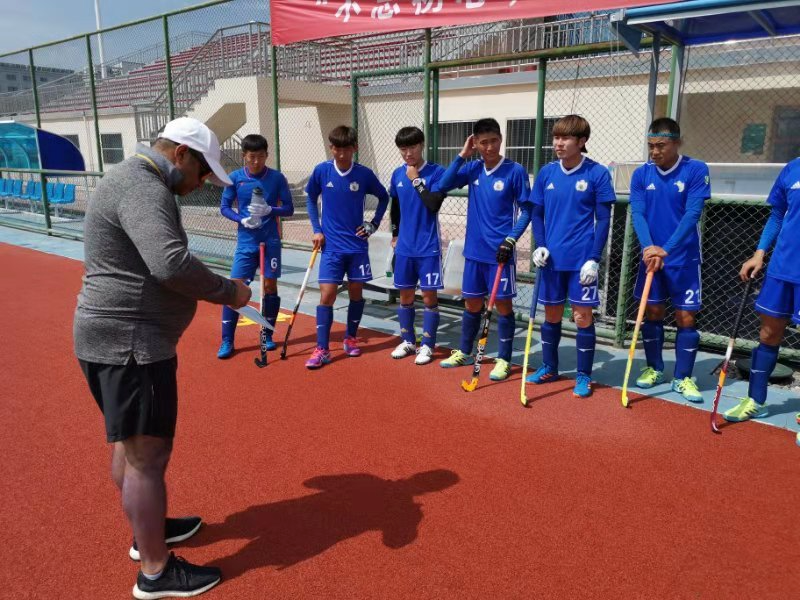
Whiteboard Diagrams: Simple, clear drawings of formations, drills, and player movements.
Video Analysis: Showing clips of international matches, highlighting specific techniques or tactical situations. This was a game-changer, as seeing professional examples made abstract concepts tangible.
Demonstration: Personally demonstrating drills and techniques, often with the help of a more receptive athlete, was invaluable.
"Show, Don't Just Tell": Instead of explaining a new defensive press, I would set up a simplified version in training and walk the players through it, step-by-step, until they grasped the mechanics.
Small Bites, Big Impact: Introducing one new concept at a time, allowing it to be practiced and understood before moving on, was far more effective than overwhelming them with a deluge of new information.
Overcoming Resistance to Change: Patience and Proof
Resistance to change was, predictably, my biggest hurdle. This manifested in various ways: athletes reverting to old habits under pressure, coaches questioning the efficacy of new drills, and a general reluctance to deviate from what was "always done."
Tactics for fostering acceptance:
Start with "Low-Risk" Changes: Begin by introducing modifications to existing drills or adding new warm-up routines. These smaller changes feel less threatening and provide early successes.
Highlight the "Why": Instead of just saying "we're doing this drill," explain why it's beneficial. Connect it to improving specific aspects of their game or achieving better match results. For example, "This passing drill will help us keep possession under pressure, like we struggled with in the last game."
Celebrate Small Victories: Publicly acknowledge and praise athletes who embrace new techniques or understand new tactics. This positive reinforcement encourages others.
Data and Analytics (Simplified): While sophisticated analytics weren't readily available, I found ways to present simple data. For instance, tracking successful passes in a new possession drill, or recording shots on goal from a new attacking structure. Seeing quantifiable improvement was persuasive.
Coach Buy-in is Critical: Gaining the trust and understanding of the local coaching staff was paramount. I spent significant time explaining my philosophy and methods to my colleagues, often one-on-one. I actively encouraged them to lead new drills, once they were comfortable. This helped foster ownership whilst they still maintained their ‘‘status’’ in the hierarchy.
The Breakthrough Moments: Seeing the "Aha!"
The most rewarding part of this experience has been witnessing the "aha!" moments. It might be an athlete executing a perfectly timed defensive tackle they never would have attempted before, or the team flowing through a new attacking pattern with confidence. These moments, often subtle at first, represent significant shifts.
One particularly memorable instance involved introducing and encouraging a more fluid, interchanging midfield. Initially, players were static in their positions, not understanding their role within that position at a specific point in play. After weeks of drills, board talks and video review, we started seeing players intelligently swap positions based on the flow of play, creating space and overwhelming opponents. It was a tangible demonstration that the "China Advantage" isn't just about raw talent, but also about untapped tactical potential.
In closing, there is immense talent and potential lurking within the China provincial hockey system. The key to unlocking that ability, in my opinion, is to facilitate as many opportunities as possible for athletes and coaches to delve deeper into the details of various principles, strategies and tactical concepts, whilst also encouraging more freedom for athletes to make decisions on the pitch. Its an exciting time for this program and I expect them to begin to flourish.